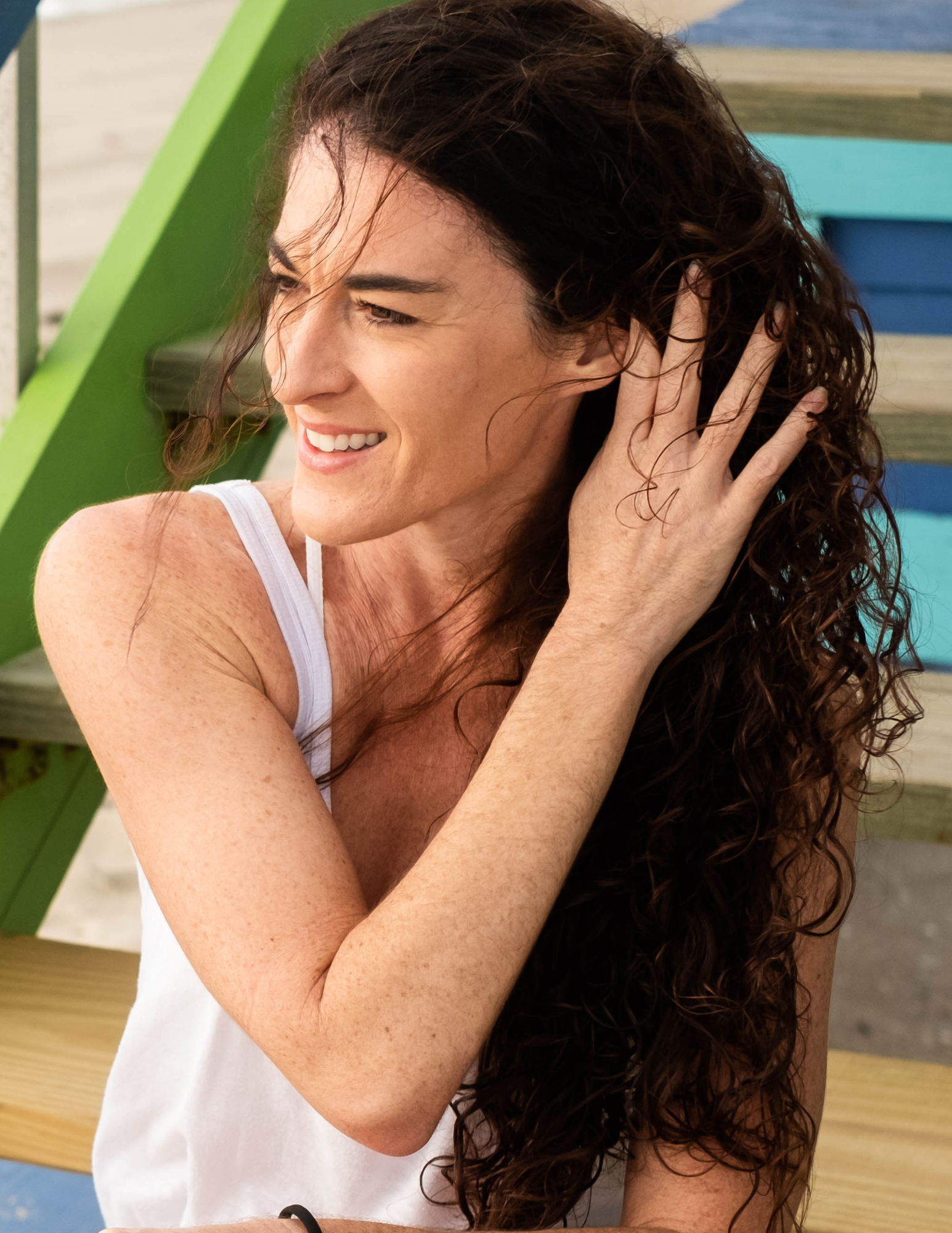
I'm Julie Tyler Ruiz
Before I ever studied nutrition formally, I was a writer, teacher, and lifelong student. I earned a Ph.D. in English, spent a decade teaching in higher education, and eventually moved into the business world, where I built my own company around writing, education, and helping people bring stories to life.
All along, I had another subject I couldn't stop learning about: food and the nutrients inside it.
I read about nutrition informally for years, experimented in my own kitchen, paid attention to how different foods made me feel, and became increasingly interested in the relationship between what we eat and how well our bodies function.
Then I became a mother.
Pregnancy changed the way I thought about food
I conceived my first baby naturally in my 40s, and suddenly nutrition wasn't an interesting subject on the sidelines of my life. Every meal was helping provide the raw materials for another human being.
I wanted to understand what my body actually needed to grow a baby well. Protein. Iron. Choline. Folate. DHA. Minerals. Enough energy to do the astonishing work taking place largely beyond my awareness.
But the deeper I went, the more complicated the picture became.
There was an overwhelming amount of nutrition information available to pregnant women, and it wasn't always consistent. Foods celebrated in one place were discouraged in another. Supplements promised to fill every conceivable gap, often at considerable expense. Meanwhile, simply getting fresh, nutrient-dense food onto the table could require more time, money, planning, and access than our nutrition conversations tended to acknowledge.
Then my first daughter was born, and food became even more present in my mind.
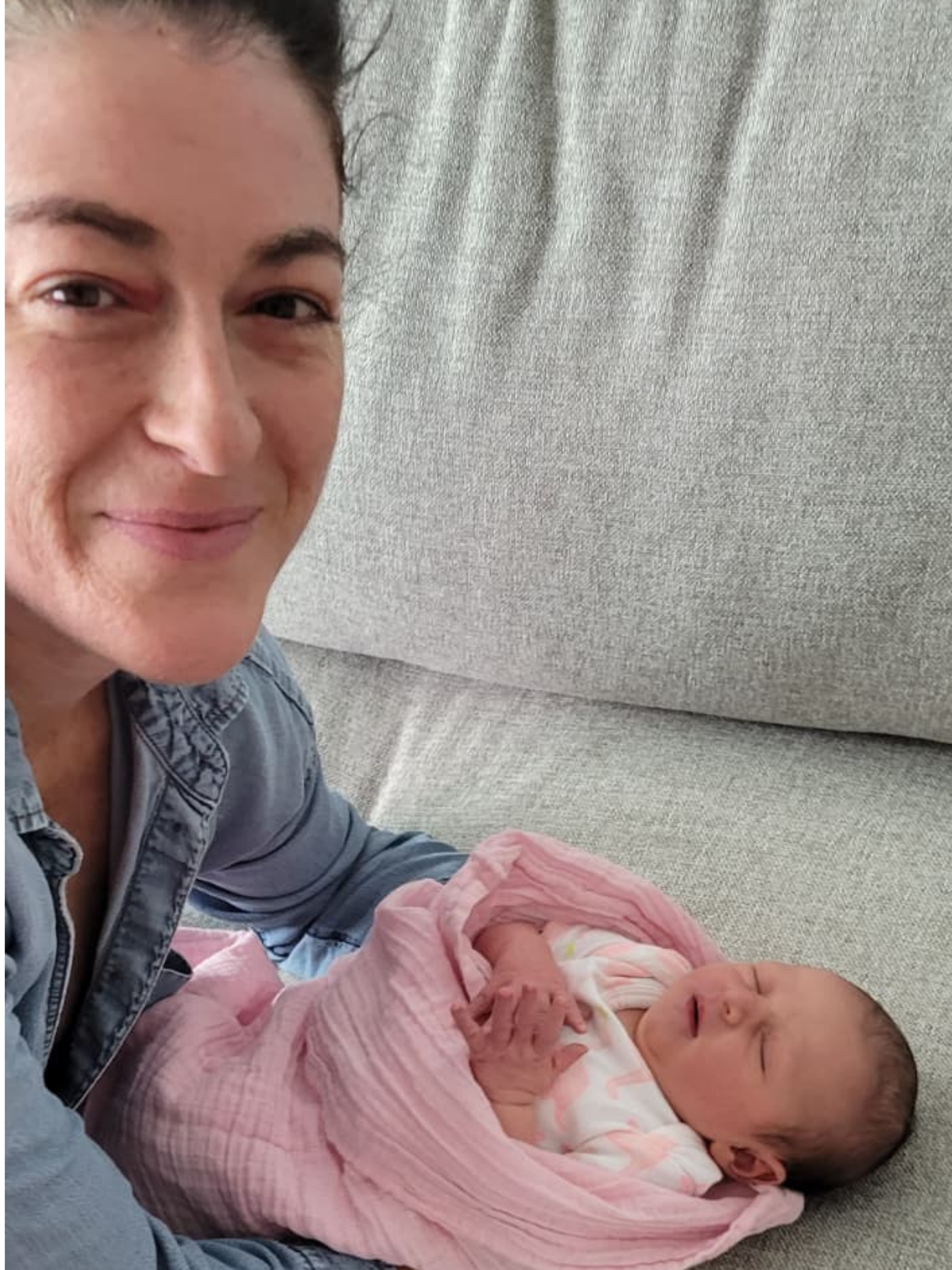
Motherhood made the hunger real
After giving birth, I was ravenously hungry.
My body was recovering from pregnancy and birth while producing breast milk around the clock. I breastfed and pumped. I was caring for a newborn. Eating wasn't an abstract exercise in "wellness." I needed food: substantial, satisfying, nourishing food.
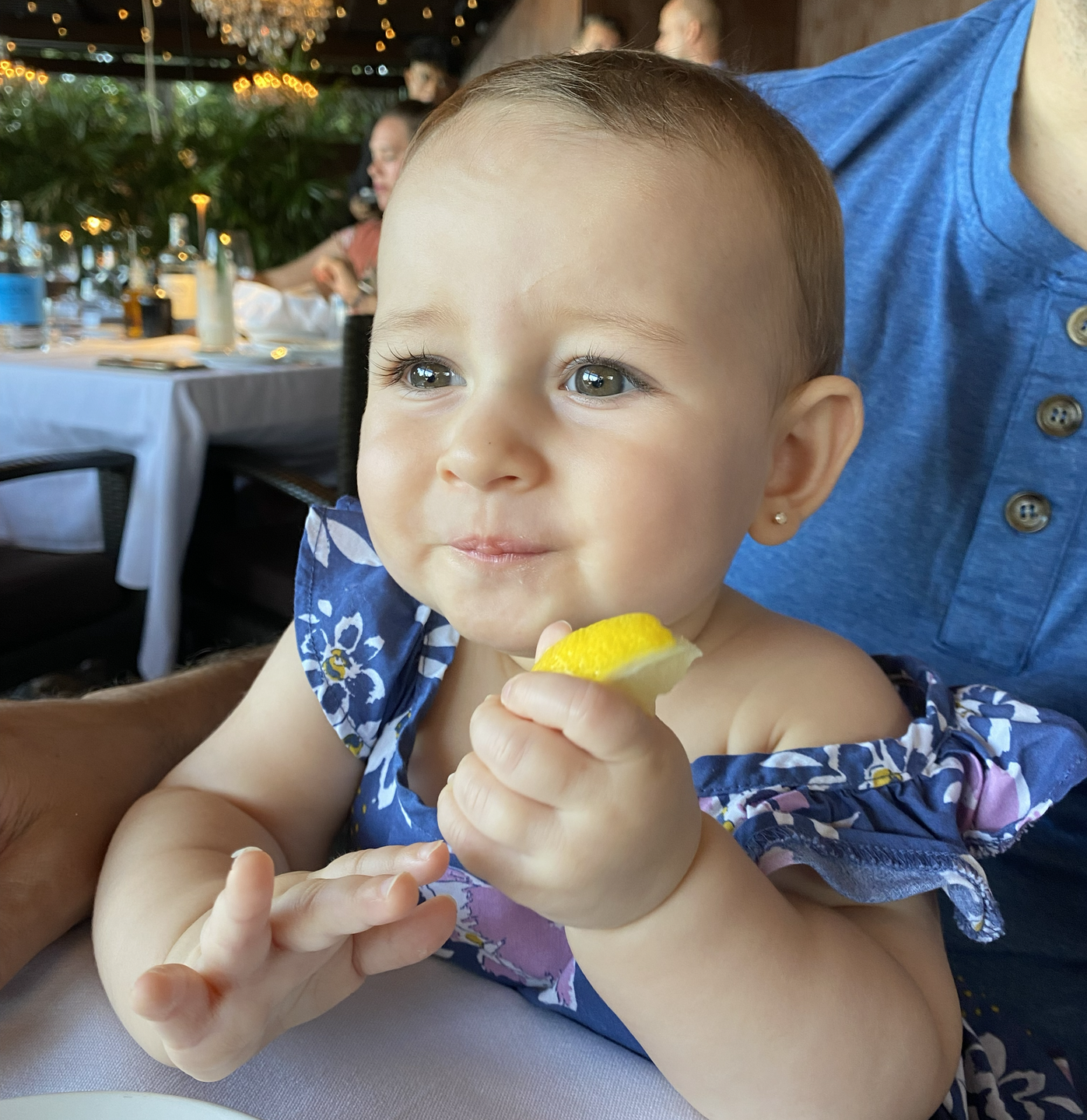
Then my baby started eating too
Suddenly I wasn't only asking what I should eat. I was deciding what another person would experience as food for the very first time.
What would nourish her rapidly growing body and brain? Which foods would introduce her to bitterness, sweetness, richness, tartness, crunch, softness, spice, and savoriness? How could I give her what she needed nutritionally while also helping her discover that eating is one of life's great pleasures?
I wanted the best for my family. And I wanted to understand more.
From curiosity to formal study
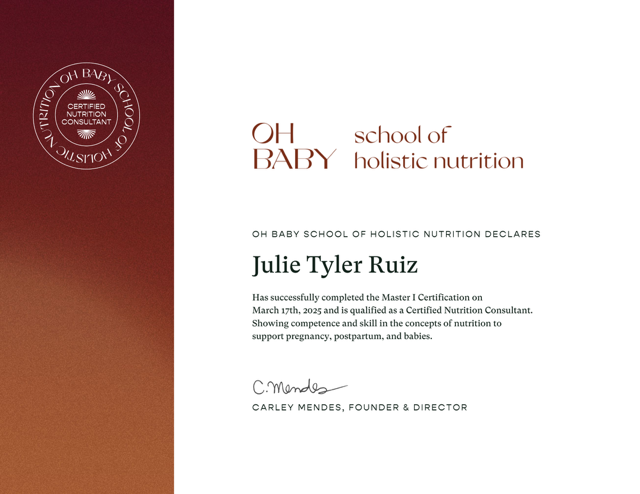
I began studying nutrition formally through Oh Baby Nutrition, a program focused specifically on nutrition during pregnancy, postpartum, and infancy.
Its philosophy resonated deeply with my own: an emphasis on real, nutrient-dense food; respect for the extraordinary nutritional demands of creating and feeding new life; and practical guidance mothers could actually use.
While pregnant with my second daughter, I completed a certification as a Nutrition Consultant specializing in pregnancy, postpartum, and babies.
There was something wonderfully circular about studying fetal development, maternal nutrient requirements, postpartum recovery, breast milk, and infant nutrition while growing another baby myself.
Nutrition in real life
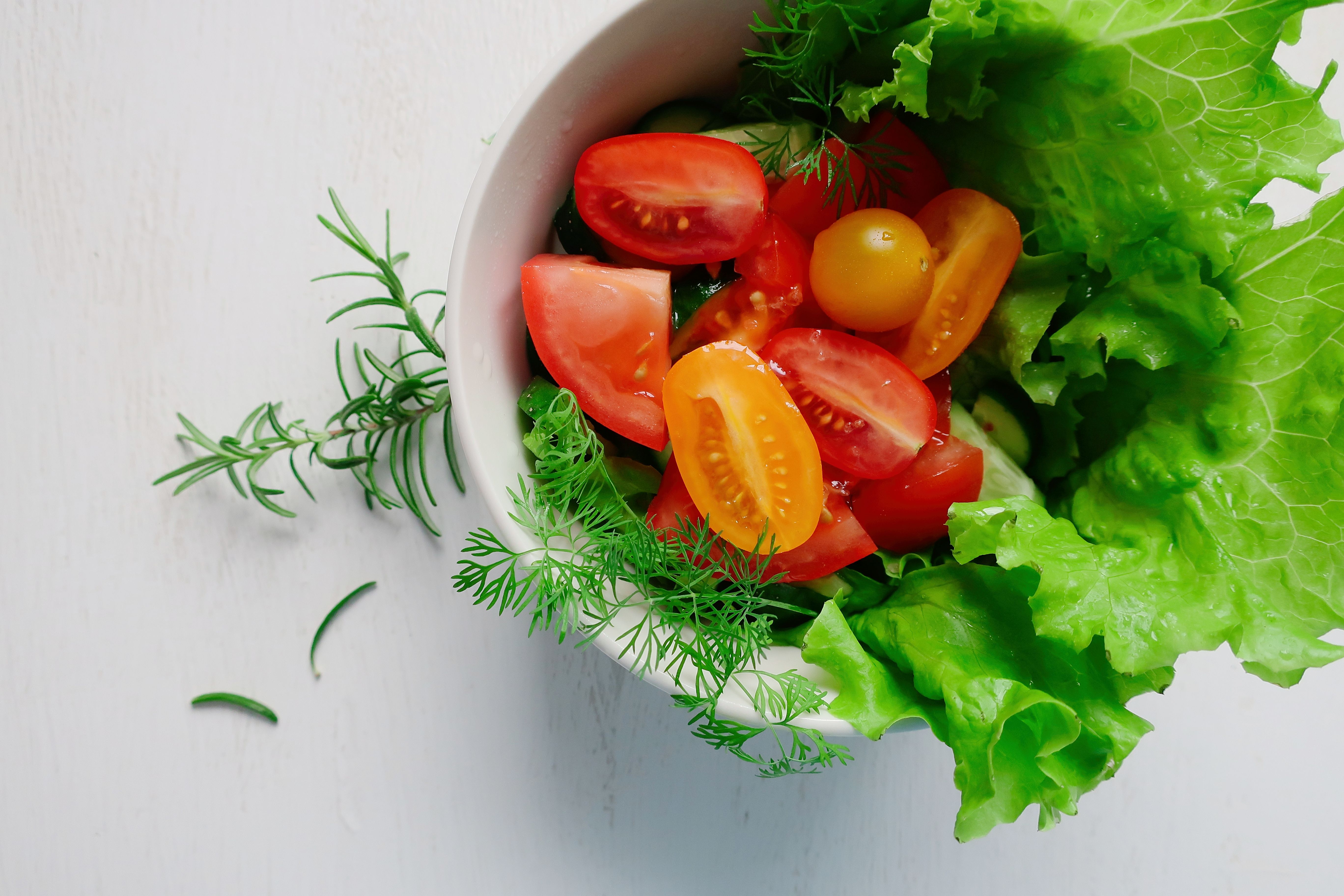
Today, much of what I've learned plays out in the most ordinary place imaginable: our kitchen.
I feed two growing daughters. I watch their bodies lengthen and their minds become more complex. I introduce foods, revisit rejected ones, make family meals, experiment with ingredients, read new research, reconsider old assumptions, and keep learning.
Nutrition isn't a subject you finish studying.
Why Eating With Babies exists
Food is one of the ways we care for life.
We have access to extraordinary knowledge about nutrition, yet eating well can feel increasingly complicated. Families face rising grocery costs, heavily processed foods, expensive supplements, conflicting advice, and concerns about the quality of our food supply—all while mothers are growing babies, recovering from birth, breastfeeding, caring for children, working, and somehow getting dinner on the table.
I don't think the answer is perfection. I think it's knowledge, curiosity, discernment, and a return to the astonishing variety of real food available to us.
Meat sizzling in a pan. Eggs with golden yolks. Cold watermelon on a hot afternoon. Berries staining little fingers purple. A pot of broth simmering on the stove. Butter melting into warm bread. Fish, fruit, vegetables, grains, herbs, dairy, roots, and spices.
Food gives us nutrients, but it also gives us flavor, pleasure, culture, memory, and connection. And when we feed a baby, we're doing something extraordinary: helping build a body and brain while introducing a brand-new human being to an entire sensory world.
A first strawberry. A first bite of beef. The tanginess of lemon. The sweetness of a peach. The punch of a pepper.
What an incredible privilege.
Food, nutrition, and the stories between
Eating With Babies brings together my background as a writer and educator, my training in nutrition, my experience as a mother, and my enduring fascination with food.
Here you'll find accessible, well-researched articles about pregnancy, postpartum, and baby nutrition, along with recipes, emerging research, practical ideas, and stories from my own kitchen.
I want Eating With Babies to be a voice of encouragement and useful information in a world where nourishing a family can feel increasingly complicated.
Nourishing life
We can:
- Care deeply about nutrition without making every meal a test.
- Respect scientific research while honoring traditional food wisdom.
- Pursue nutrient density without forgetting that food is supposed to taste wonderful.
Most of all, we can remember what all this effort is ultimately for:
Life. Growing it. Recovering it. Sustaining it. Sharing it around the table. Teaching the next generation to savor it.
Join me at The Table
Sign up for new articles, recipes, nutrition insights, and thoughtful explorations of how we feed ourselves and the babies we're growing.
Thank you for subscribing!
Have a great day!