A New Approach to Treats: Better Ingredients + More Pleasure
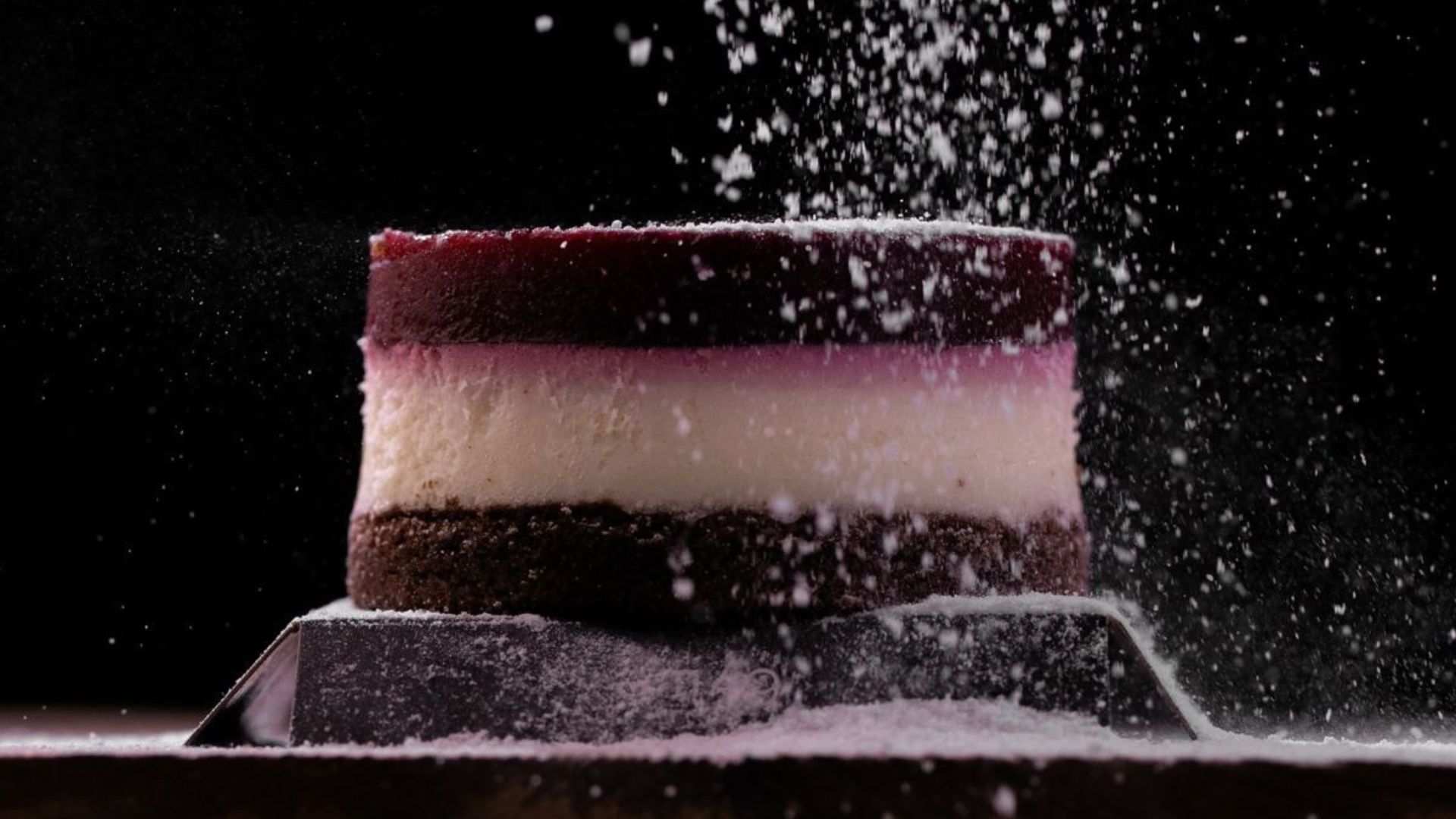
Discover a more pleasurable approach to treats by choosing better ingredients, seeking out great flavor, and savoring the experience, without adding more food rules.
By Julie Tyler Ruiz, CNC
CONTENTS:
- Raising the standard for treats
- How to get more pleasure in every treat
- Better treats, not perfect eating
Raising the standard for treats
For me, a treat is something I choose primarily for the pleasure of it. It might be sharing chocolate ice cream with my toddler on a Friday after preschool, an exquisite slice of cake at a fancy restaurant, something I've learned to make especially well, or a slice of a relative's "famous" pie that appears once a year at a family gathering. Sometimes the pleasure comes from the flavor itself. Sometimes it's wrapped up in celebration, novelty, tradition, creativity, or the experience surrounding the food.
And if pleasure is the point, I think it's worth having standards.
We live in a time when something sweet is almost always within reach. There's the packaged cookie in the pantry, the candy bowl at work, the leftover birthday cake in the refrigerator, the handful of toddler snacks eaten while cleaning up the kitchen. For mothers especially, food can become something we grab in the middle of meeting everyone else's needs. Pregnancy and postpartum can add their own hunger, cravings, fatigue, and demands. It's surprisingly easy for the little pleasures we eat for ourselves to become whatever happens to be available.
I want something better than that.
By better, I mean treats made with ingredients I value, flavors interesting enough to pay attention to, and experiences that give the food a sense of occasion. I want the chocolate I've been craving to offer a deep, intense flavor. I want to sit down with the pastry rather than discover I've eaten it while doing three other things. I want to try someone else's wonderful creation, master a few of my own, and let a treat become part of a celebration or tradition.
There's a practical benefit here, too. Sometimes we keep reaching for more because the first thing never delivered the experience we were looking for. A regular portion of something truly delicious, eaten with attention, can be far more satisfying than repeatedly reaching for something average and wondering why the craving still feels unfinished.
This is the approach to treats I want to cultivate for myself and around my children: choosing nourishing foods as the foundation of how we eat while making genuine room for pleasure. It means becoming discerning about treats, not to create another collection of food rules, but to enjoy them more fully.
The principles that follow are practices for doing exactly that: choosing well, seeking flavor and quality, making room for creativity and tradition, and slowing down long enough to savor the experience.
So what makes a treat worth having?
How to get more pleasure in every treat
There are plenty of ways to raise the standard for treats, and none of them needs to become a requirement. Think of these as possibilities to experiment with as you figure out what makes a treat genuinely satisfying for you.
1. Choose the thing you actually want.
Something doesn't become a treat simply because it's sweet and available. Before reaching for whatever happens to be around, consider what would actually taste good right now.
Maybe you're like me and want chocolate, but really good chocolate. Maybe you're thinking about something cold and creamy, or warm and buttery, or a dessert you haven't had since childhood. Getting specific about what you're craving can make the eventual choice much more satisfying.
The point is to choose for pleasure rather than simply reaching for the nearest available source of sweetness. When you know what you actually want, you can seek out something that has a real chance of satisfying the craving.
2. Find the best version you can.
Once you know what you want, seek out a version that's genuinely delicious.
That might mean finding a bakery that makes an exceptional croissant or choosing ice cream made with ingredients that create the richness and texture you're looking for. It can also mean paying attention to the ingredients you bring into your own kitchen: excellent cocoa, real vanilla, ripe seasonal fruit, toasted nuts, grass fed butter, cream, spices, flaky salt.
"Best" doesn't necessarily mean most expensive, fanciest, or nutritionally optimized. It means the version that delivers the experience you're after.
Sweetness alone isn't much of a flavor profile. Some of the most satisfying desserts balance sweet flavors with bitter, tart, salty, creamy, toasted, fruity, spicy, or deep chocolatey flavors. The more interesting the food, the more there is to notice while you're eating it.
3. Make an event of it.
Sometimes the experience surrounding a treat is part of what we're craving.
Think about the difference between eating a packaged cookie while standing at the kitchen counter and sitting down with a dessert you've been looking forward to and a cup of coffee or tea. Or between scooping ice cream distractedly from a carton and walking somewhere with your child specifically to get the flavor you both love.
Give yourself permission to make a little ceremony out of pleasure. Put the dessert on a beautiful, dainty dish. Sit somewhere comfortable. Go to the bakery you've wanted to try. Invite somebody to share it with you. Take your time.
This feels particularly important during motherhood. Moms can become remarkably accustomed to eating whatever is easiest: toddler scraps, something grabbed from the pantry, a snack eaten with one hand while doing something for someone else with the other. Pregnant and postpartum women may also be navigating substantial hunger, cravings, fatigue, and the physical work of growing, recovering from, or feeding a baby.
You deserve pleasures that receive some attention, too.
And attention may make the treat more satisfying. Sometimes we keep reaching for another cookie or another handful because what we ate never quite delivered what we were looking for. The flavor was average, the experience barely registered, and the craving still feels unfinished. Making a treat an event means we can experience the whole pleasure rather than merely consume the food.
4. Learn to make something wonderful yourself.
One way to enhance the quality of a treat is to learn how to make it. That way, you experience two layers of pleasure: eating something delicious and preparing something delicious. You get to experiment with ingredients, adjust a recipe to your own taste, practice a technique, and experience the thrill of making exactly what you want ... yourself.
You don't need an enormous repertoire. You might become the person who makes an incredible chocolate cake, the perfect chewy cookie, homemade ice cream, or one spectacular seasonal pie.
The process becomes part of the treat: anticipating it, making it, smelling it as it cooks, tasting the result, and eventually sharing something you've learned to make well with people you love.
Mastery adds a kind of satisfaction that can't be listed on a nutrition label.
5. Leave room for other people's masterpieces.
Of course, making your own treats isn't always the better experience. Sometimes somebody else makes the thing that matters.
Imagine Aunt Linda's world-famous pumpkin pie appearing at the big family gathering once a year. Maybe you wouldn't buy every ingredient yourself. Maybe it isn't how you'd formulate a dessert if you were making one at home. But Aunt Linda made it, everybody has been talking about it all afternoon, and you won't taste it again until next year.
Have the pie.
Other people's food gives us access to their creativity, traditions, histories, cultures, and ways of expressing love. A friend may introduce you to a dessert you've never encountered. A grandmother's recipe may taste inseparable from childhood. A talented pastry chef may combine flavors in a way that would never have occurred to you.
Being discerning about treats can include knowing when the person, place, tradition, or occasion is precisely what makes something worth eating.
6. Seek out novelty.
Specialness can also come from trying something new.
Order the flavor you've never tasted. Explore a bakery from another culinary tradition. Pick the strange truffle in the chocolate case. Try a fruit you've never eaten before. When you're traveling, find out what the local dessert is. Make a recipe that requires learning a technique you've never attempted.
Novelty wakes up the senses. When we already know exactly what something will taste like, it's easy to eat on autopilot. A new flavor, texture, ingredient, or combination invites attention because we don't yet know what to expect.
It also expands our idea of what a treat can be. The world contains an extraordinary range of ways humans have figured out how to create pleasure with food. That's something worth exploring.
7. Create traditions that make treats special.
Treats can become markers of time and occasion.
On Friday afternoons after preschool, I take my three-year-old for chocolate ice cream. It's our way of celebrating her week of learning and kicking off the weekend. We share a small portion, and because she absolutely loves chocolate, her face lights up when she gets it.
What I love most is the sense of occasion around it. Chocolate ice cream means Friday afternoon together. It occupies a recognizable place in the rhythm of her life, and she already seems to understand that something can be wonderful precisely because it isn't breakfast, lunch, and dinner every day.
Traditions like this can give children—and adults—an experience of treats that goes beyond wanting something sweet. Ice cream can mean the beginning of the weekend. Cake can mean birthdays. A particular pie can mean Thanksgiving. Hot chocolate can mean the first cold evening of the year.
And traditions can remain flexible. Friday ice cream doesn't need to become a regulation governing all other desserts. If there's a birthday party on Thursday, there's cake on Thursday. A rhythm can make something special without becoming a rule.
8. Leave room for the unexpected.
Sometimes a treat you never would have chosen for yourself turns out to be exactly right for the moment.
I don't usually buy candy. Most of it isn't delicious enough to me to keep around at home, and I'd rather save my appetite for treats I enjoy more. But recently, I attended a book club meeting where I introduced an author I'd helped write the very book we were there to discuss. As part of the event, the author gave us little bags of candy related to her book's title. I ate all the pieces before the day was over.
And I thoroughly enjoyed them.
They weren't the finest candy I'd ever tasted. What made them special was the occasion. They were playful and thematic, and they became a tiny extension of celebrating this author's big accomplishment. The few pieces I brought home were enough to carry a little of that celebration with me.
This experience reminded me that my approach to treats should leave room for flexibility, not harden into a set of rules.
Having preferences and standards can help us seek out foods we genuinely enjoy, while still leaving us open to the pleasure we didn't plan. Sometimes the bakery you've researched makes the treat. Sometimes it's the dessert you've spent an afternoon learning to bake. And sometimes it's a little bag of candy someone hands you at exactly the right moment. Leave room for that, too.
9. Give a good treat your full attention.
Finally, when you've found something worth eating, savor it.
Notice what makes it good. The crack of chocolate before it melts. The contrast between warm cake and cold ice cream. Tart berries against cream. Salt against caramel. The toasted edge of a cookie. The aroma of coffee beside something sweet.
Pay attention to the first bite, when the experience is completely new, and to the bites that follow. Notice when you're still delighted by it and when you've reached the point where you feel satisfied.
Sometimes that might happen after a surprisingly small amount of something rich and wonderful. Other times you may enthusiastically finish the whole thing and wish there were another piece. Neither needs to carry a larger judgment about how well you ate that day.
Savoring isn't a strategy for convincing yourself to eat less. It's a way of making sure you're actually present for the pleasure you chose.
After all, if a treat is worth having, it should also be worth tasting.
Better treats, not perfect eating
Raising the standard for treats means becoming more discerning about pleasure. Some treats can be nutrient-dense and delicious. Others can simply be magnificent desserts. Some might come out of your own kitchen after you've carefully chosen the ingredients and perfected the recipe. Others might be Aunt Linda's once-a-year pumpkin pie or a few pieces of perfectly ordinary candy that happen to commemorate something wonderful.
What connects them is attention: choosing pleasures that are actually pleasurable, enjoying them fully, and allowing food to carry celebration, creativity, tradition, novelty, and delight alongside nourishment.
In a world where mediocre sweets are almost always within reach, I don't think the most interesting response is simply greater restraint. We can become more discerning instead. We can expect more from our treats, seek out the ones worth getting excited about, and then enjoy them for everything they're worth.
This approach is one piece of my larger Eating With Babies food philosophy, where I explore what it looks like to nourish ourselves and our children while making room for pleasure, flexibility, and real life. And if chocolate is your idea of a treat worth having, be on the lookout for my nutrient-dense chocolate recipes for delicious ways to put this philosophy into practice.
Let’s keep talking about food
Join The Table for thoughtful conversations about nourishment, pleasure, motherhood, and feeding our babies well.
Thank you for subscribing!
Have a great day!